Choosing Natural Materials for a Timeless English Kitchen
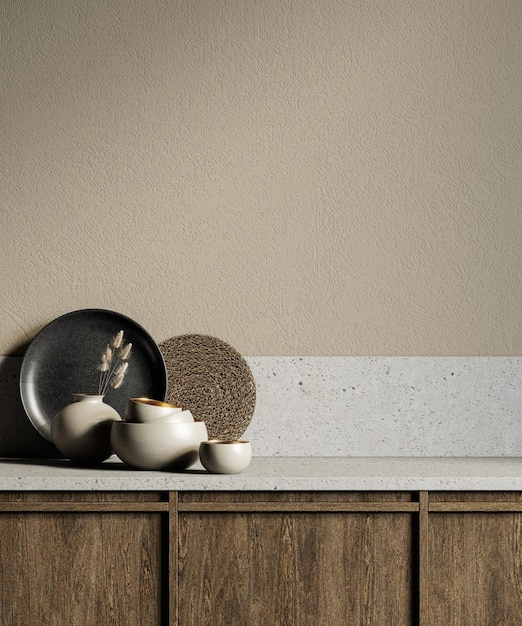
A kitchen feels enduring when its materials suit the way it is used as well as the character of the home. In an English interior, that might mean a quiet mix of timber, stone, painted cabinetry and tactile finishes rather than a single period look. The aim is not to recreate a particular era, but to choose materials that can age gracefully and work together over time.
Begin with the home
Consider the kitchen’s architecture before choosing finishes. The proportions of the room, existing flooring, window details and the light at different times of day can all influence how materials appear. A timber that looks warm in a bright showroom may feel quite different in a north-facing room, while a strongly patterned stone can dominate a compact space.
Take samples home and view them alongside one another in the actual room. Check them in natural and artificial light, and consider how they relate to adjoining rooms. This helps create a palette that feels connected to the house rather than assembled from separate choices.
Choose timber for warmth and character
Wood brings texture and natural variation to cabinetry, shelves, furniture and flooring. Oak is a familiar option for a grounded, traditional feel; other species can offer a lighter or more distinctive appearance. The final effect depends not only on the wood itself but also on the cut, grain, stain and finish.
Decide where you want timber to be most visible. It can be used across cabinetry for a consistent look, or introduced selectively through an island, open shelves or a table. In a busy kitchen, ask how the chosen finish handles spills, heat and regular cleaning, and follow the supplier’s care guidance. Natural variation is part of the appeal, so samples should be treated as a guide rather than a guarantee that every piece will look identical.
Balance stone’s beauty with its upkeep
Stone can give a kitchen a sense of permanence, whether used for worktops, a splashback or a floor. Its colour and veining can become a focal point, so consider how prominent the pattern will be beside cabinetry and other surfaces.
Different stones have different practical requirements. Before selecting one, check its suitability for the intended use, how it should be sealed or cleaned, and whether it may mark or change with wear. If low maintenance is a priority, compare options carefully rather than assuming that all natural stone behaves in the same way. A stone sample viewed next to cabinet and floor samples can help keep the overall palette balanced.
Use painted finishes with restraint
Painted cabinetry offers flexibility and can sit comfortably alongside natural textures. Muted greens, warm whites, soft blues and earthy neutrals are possible directions, but the best colour depends on the room and its existing features. A restrained palette also allows timber grain or stone pattern to remain noticeable without competing for attention.
Ask for a sample in the intended finish and view it at different times of day. Sheen affects how a colour reads and how visible surface marks may be, so consider appearance and maintenance together.
Add texture through supporting materials
Ceramic tiles, metal fittings and natural-fibre textiles can add detail without making the room feel overly decorated. Handmade-looking tiles may bring gentle variation; simple tiles can provide a calmer backdrop. For taps, handles and lighting, choose finishes that relate to one another, while allowing some contrast where it feels deliberate.
Textiles such as linen or cotton can soften a room through blinds, seat cushions or table linens. They are easy to change, so they can introduce colour and pattern without committing the kitchen to a permanent feature.
Make the combination practical
Natural materials are not automatically the right choice for every surface. A worktop near a hob or sink has different demands from a shelf, and a floor needs to suit the household’s traffic and cleaning routine. Discuss the intended use of each material with the supplier or installer, including preparation, maintenance and repair.
A lasting scheme often relies on a few well-considered materials rather than many competing finishes. Start with the surfaces that are hardest to change, then select cabinetry and details around them. When the materials share a compatible tone and level of texture, the kitchen can feel settled from the beginning—and continue to develop its own character through everyday use.